Is Watermelon Toxic to Dogs and Cats? (2026)
Citrullus lanatus

Advertisement
Quick facts
| Toxic to dogs | No |
|---|---|
| Toxic to cats | No |
| Toxic to horses | No |
| Toxic component | N/A — non-toxic |
| Onset of symptoms | N/A |
| Indoor / outdoor | both |
Advertisement
What to do
No treatment is needed for seedless, rind-free flesh. Remove seeds and rind before offering it as a treat, and if a pet has swallowed a large piece of rind, watch for vomiting or reduced appetite over the following day.
Toxic component and mechanism
Watermelon is not known to contain toxic compounds harmful to dogs, cats, or horses.
What makes this plant different
Watermelon is confirmed non-toxic to dogs and cats by the ASPCA — the flesh is a popular hot-weather treat thanks to its high water content. The seeds and rind are where the real (non-toxicity) risk lies: both are hard to digest, and the rind in particular is tough enough to pose a choking or intestinal blockage risk if swallowed in large pieces.
Plant identification
- Scientific name
- Citrullus lanatus
- Family
- Cucurbitaceae
- Also known as
- Watermelon
- Typically found
- both
Advertisement
Related plants

Acorn Squash
Cucurbita pepo

African Daisy
Gerbera jamesonii

African Violet
Saintpaulia spp.

Algaroba
Prosopis limensis
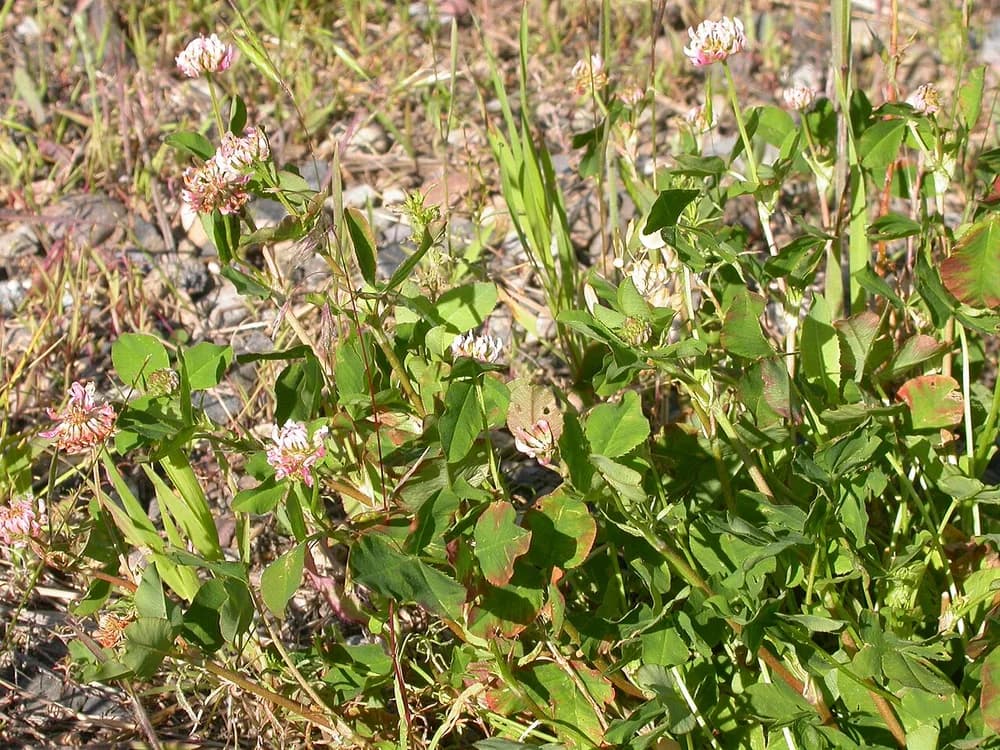
Alsike Clover
Trifolium hybridum
See all Cucurbitaceae plants →
Last verified: July 2, 2026 · Cross-referenced with ASPCA Animal Poison Control