Is Rosemary Toxic to Dogs and Cats? (2026)
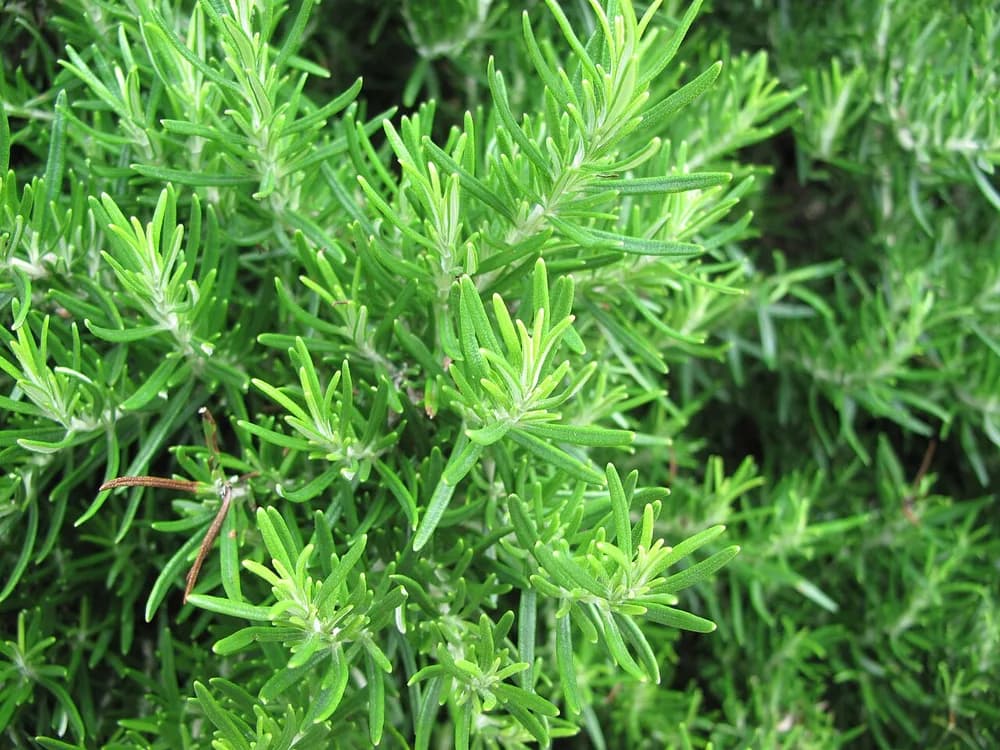
Salvia rosmarinus
Advertisement
Quick facts
| Toxic to dogs | No |
|---|---|
| Toxic to cats | No |
| Toxic to horses | No |
| Toxic component | N/A — non-toxic |
| Onset of symptoms | N/A |
| Indoor / outdoor | both |
Advertisement
What to do
No treatment is needed for fresh or dried rosemary in ordinary amounts. Follow label directions specifically for any rosemary-oil-based flea product, since concentrated essential oils are a separate risk category from the plant itself.
Toxic component and mechanism
Rosemary is not known to contain toxic compounds harmful to dogs, cats, or horses.
What makes this plant different
Rosemary is confirmed non-toxic to dogs and cats by the ASPCA, and is safe in the ordinary culinary amounts typically found in a kitchen garden. The woody stems and needle-like leaves are tough enough that most pets lose interest after one bite. Concentrated rosemary essential oil — sometimes included in natural flea and tick products — is a different, far more potent substance than the fresh herb and carries its own separate handling guidance.
Plant identification
- Scientific name
- Salvia rosmarinus
- Family
- Lamiaceae
- Also known as
- Rosemary
- Typically found
- both
Advertisement
Related plants

Basil
Ocimum basilicum

Lavender
Lavendula angustifolia

Marjoram
Origanum majorana
Thyme
Thymus vulgaris

Acorn Squash
Cucurbita pepo
Last verified: July 2, 2026 · Cross-referenced with ASPCA Animal Poison Control