Is Prayer Plant Toxic to Dogs and Cats? (2026)
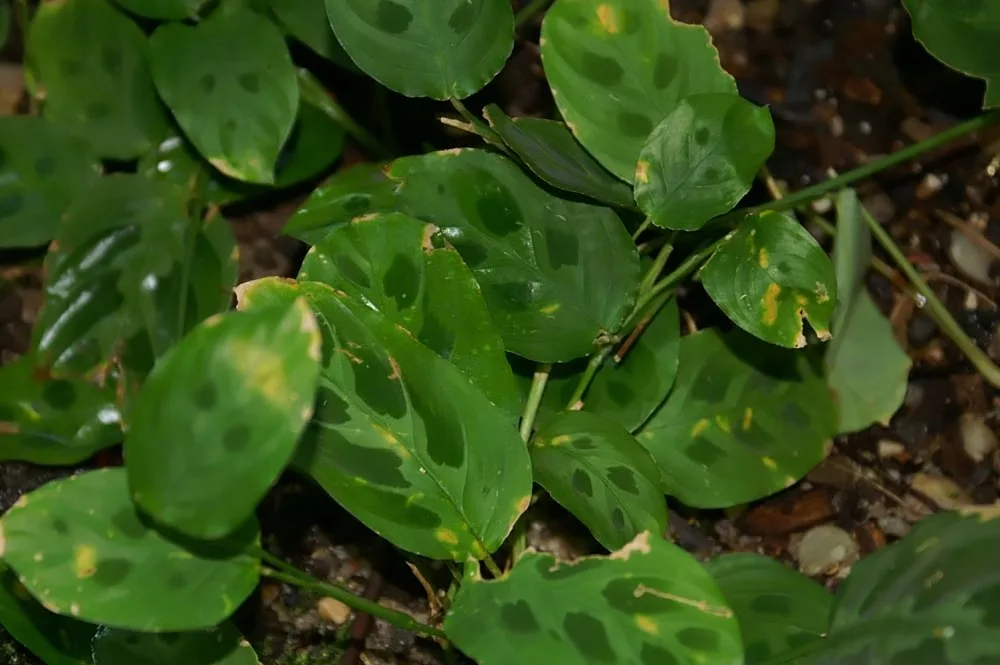
Maranta leuconeura
Advertisement
Quick facts
| Toxic to dogs | No |
|---|---|
| Toxic to cats | No |
| Toxic to horses | No |
| Toxic component | N/A — non-toxic |
| Onset of symptoms | N/A |
| Indoor / outdoor | both |
Advertisement
What to do
No treatment is needed. The folding movement is a normal light response, not a sign of stress from a pet disturbing the plant.
Toxic component and mechanism
Prayer Plant is not known to contain toxic compounds harmful to dogs, cats, or horses.
What makes this plant different
Prayer Plant is confirmed non-toxic to dogs and cats by the ASPCA. Its name comes from a distinctive daily movement: the leaves fold upward in the evening, resembling hands folded in prayer, then relax open again during the day — the same nyctinastic movement seen in its close relative, Calathea.
Plant identification
- Scientific name
- Maranta leuconeura
- Family
- Marantaceae
- Also known as
- Prayer Plant
- Typically found
- both
Advertisement
Related plants
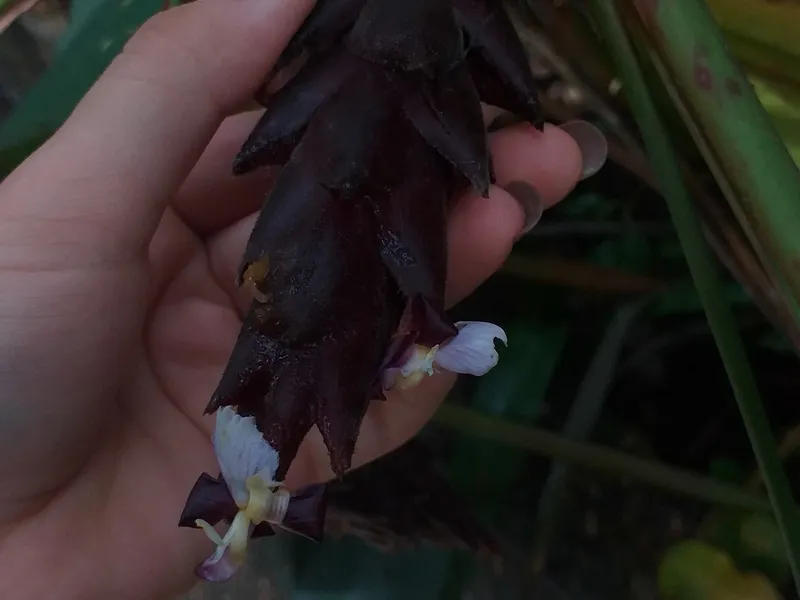
Calathea
Calathea spp.
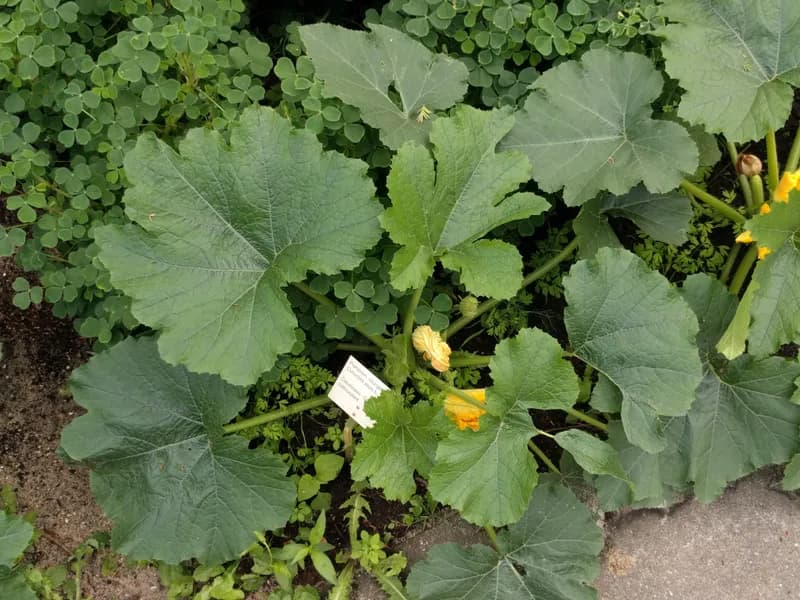
Acorn Squash
Cucurbita pepo
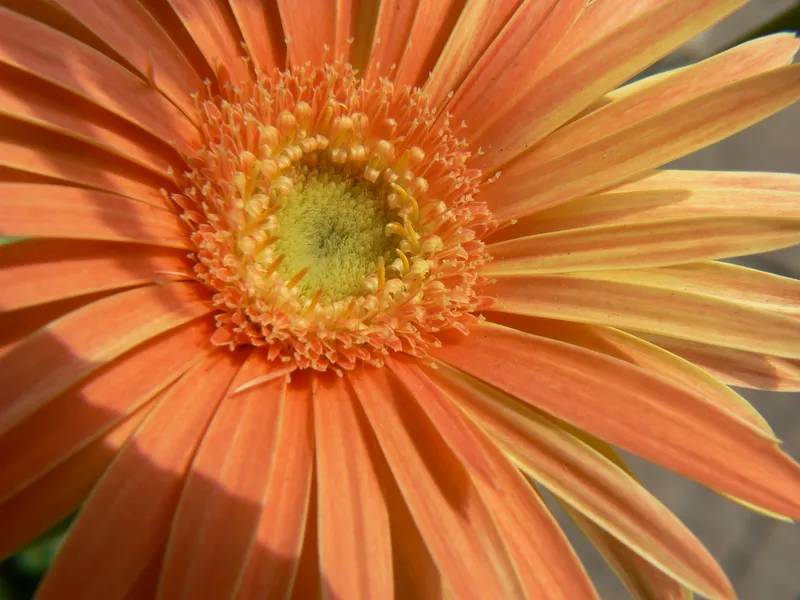
African Daisy
Gerbera jamesonii
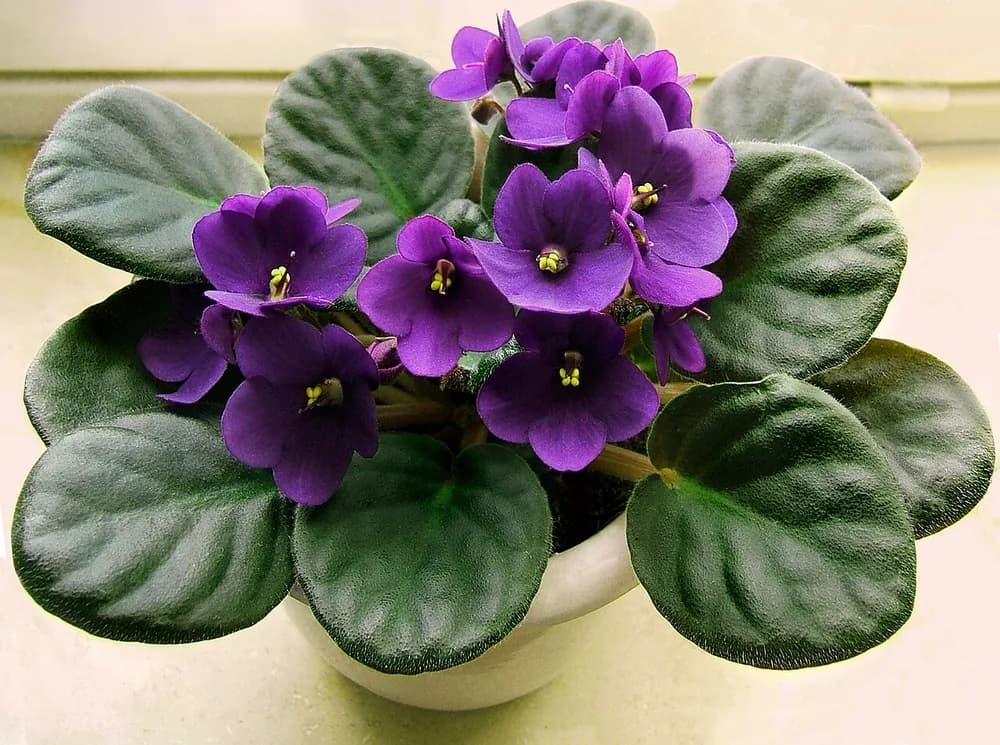
African Violet
Saintpaulia spp.
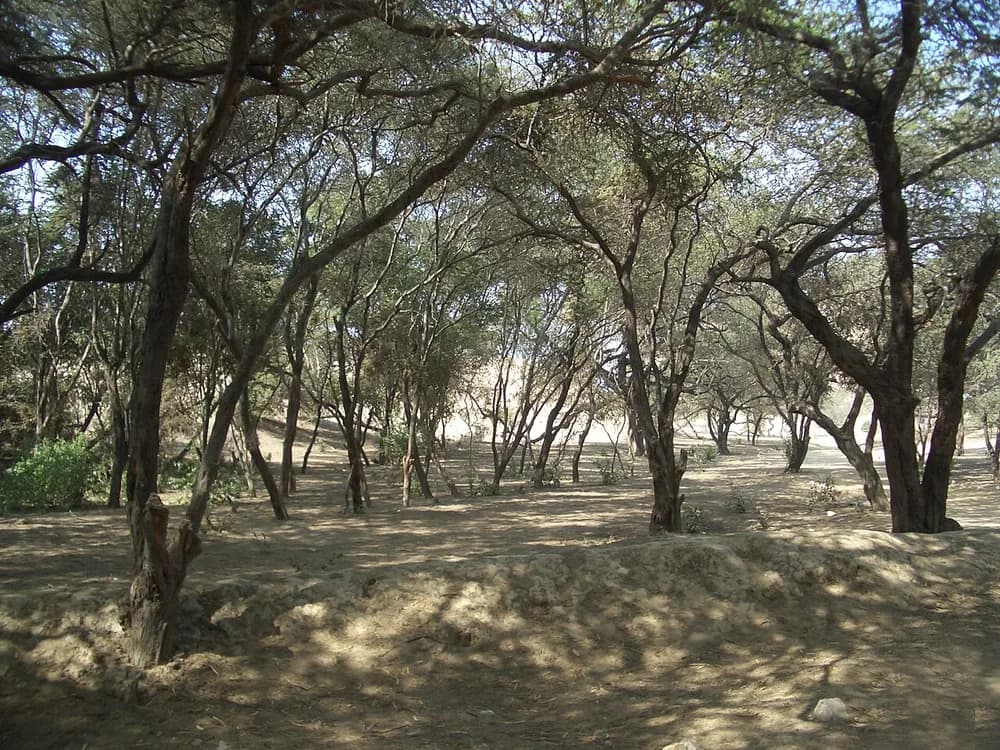
Algaroba
Prosopis limensis
Last verified: July 2, 2026 · Cross-referenced with ASPCA Animal Poison Control