Is Boston Fern Toxic to Dogs and Cats? (2026)
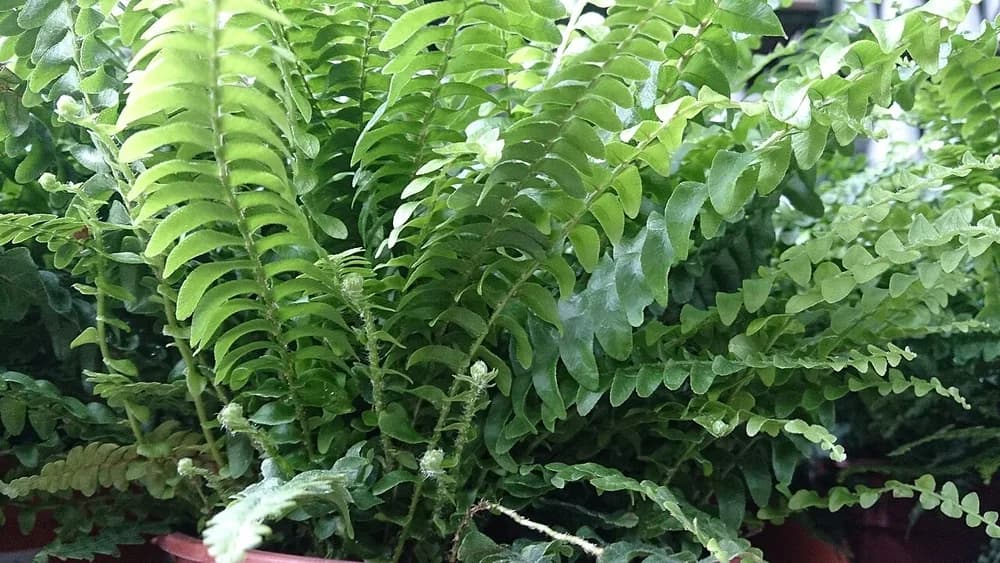
Nephrolepis exalta bostoniensis
Advertisement
Quick facts
| Toxic to dogs | No |
|---|---|
| Toxic to cats | No |
| Toxic to horses | No |
| Toxic component | N/A — non-toxic |
| Onset of symptoms | N/A |
| Indoor / outdoor | both |
Advertisement
What to do
No treatment is needed. It does shed small leaflets as fronds age, which is normal and not a sign anything is wrong with the plant or a pet that's eaten a few.
Toxic component and mechanism
Boston Fern is not known to contain toxic compounds harmful to dogs, cats, or horses.
What makes this plant different
Boston Fern is confirmed non-toxic to dogs and cats by the ASPCA, which makes it one of the most commonly recommended hanging-basket plants for pet owners — a category where several popular alternatives (pothos, English ivy, philodendron) are toxic. It does best with consistent humidity, which is why it's a natural fit for a bathroom with a window.
Plant identification
- Scientific name
- Nephrolepis exalta bostoniensis
- Family
- Dryopteridaceae
- Also known as
- Boston Fern
- Typically found
- both
Advertisement
Related plants
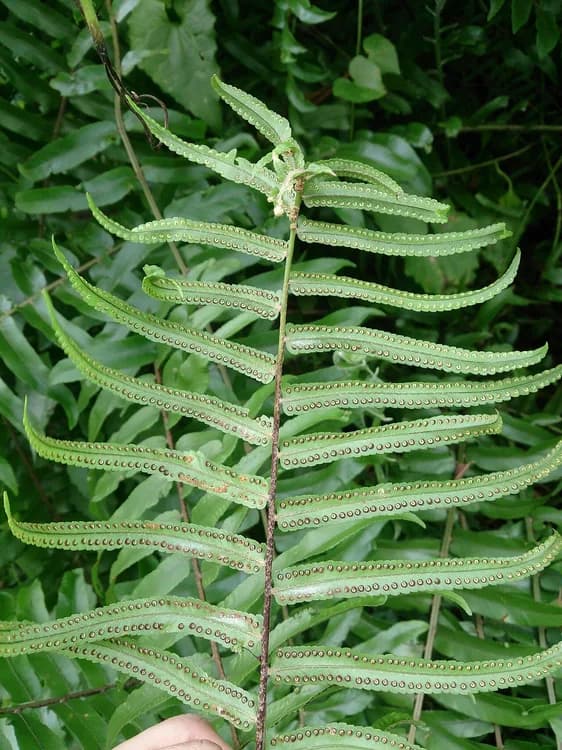
Bold Sword Fern
Nephrolepis biserrata
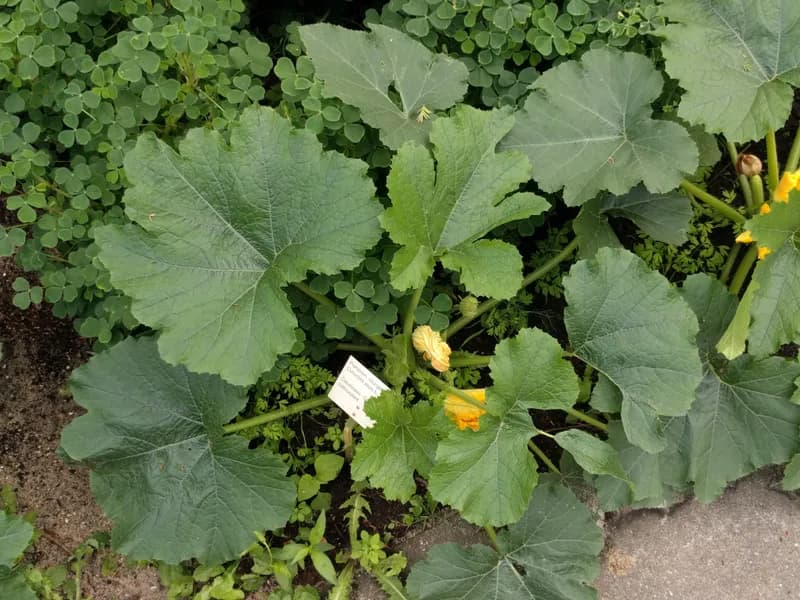
Acorn Squash
Cucurbita pepo
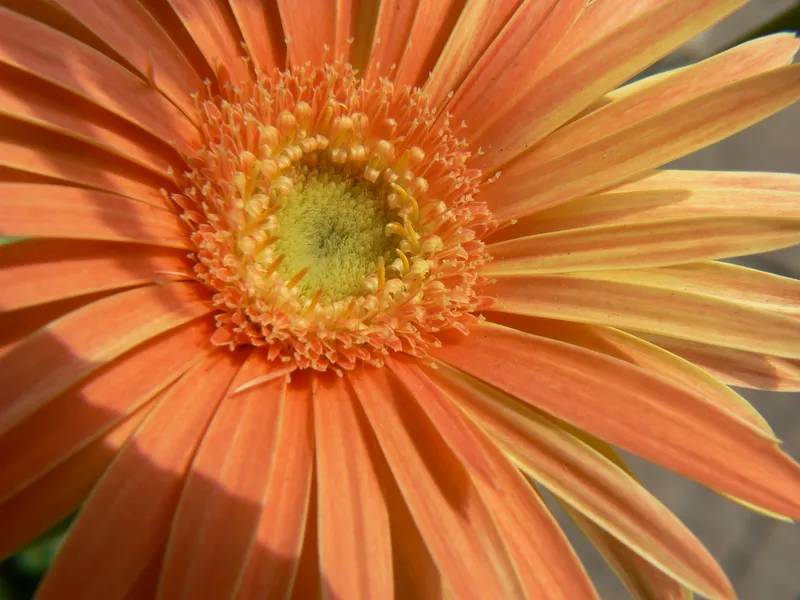
African Daisy
Gerbera jamesonii
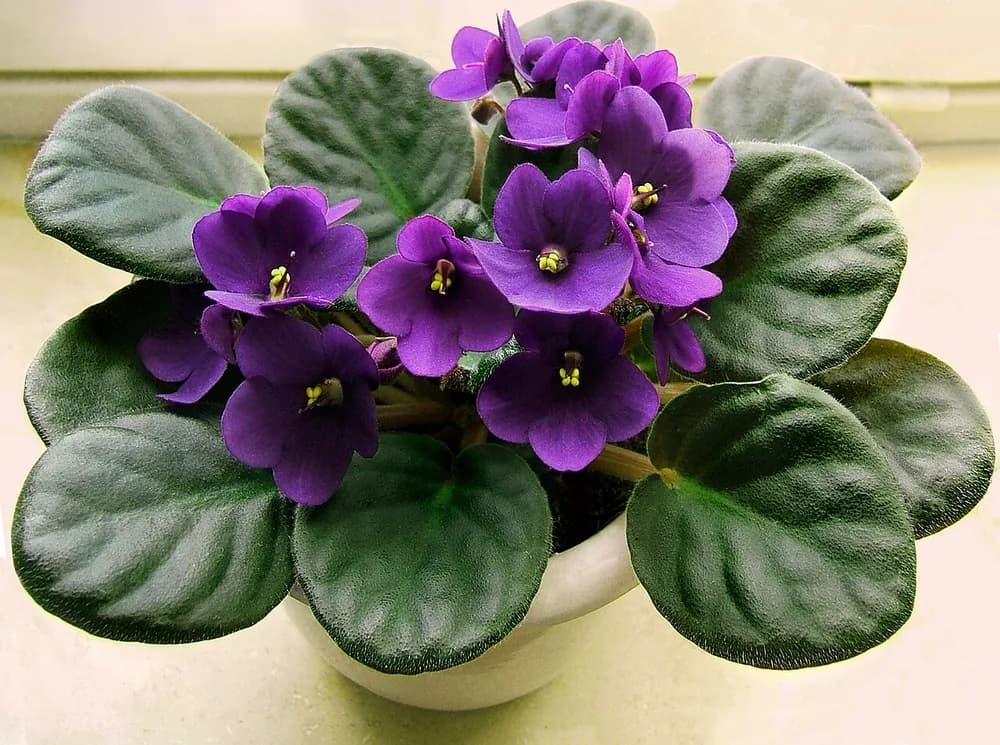
African Violet
Saintpaulia spp.

Algaroba
Prosopis limensis
See all Dryopteridaceae plants →
Last verified: July 2, 2026 · Cross-referenced with ASPCA Animal Poison Control