Is Blushing Bromeliad Toxic to Dogs and Cats? (2026)
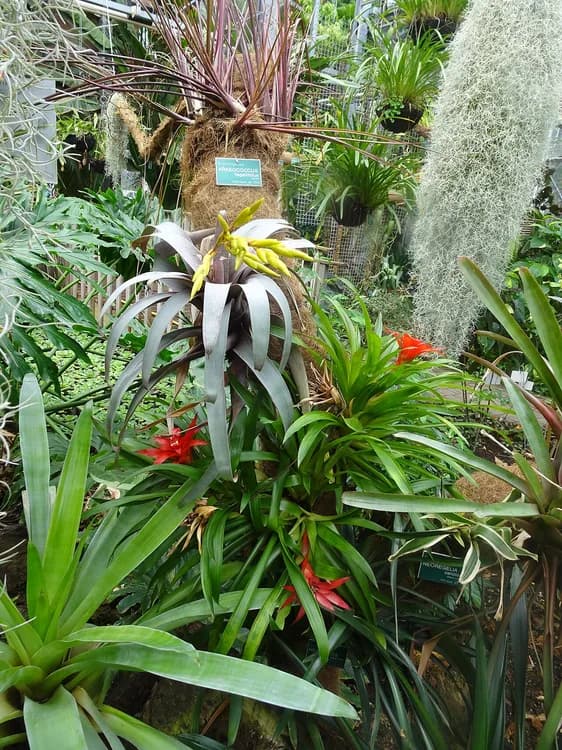
Neoregalia spp.
Advertisement
Quick facts
| Toxic to dogs | No |
|---|---|
| Toxic to cats | No |
| Toxic to horses | No |
| Toxic component | N/A — non-toxic |
| Onset of symptoms | N/A |
| Indoor / outdoor | both |
Advertisement
What to do
No treatment is needed. Like other bromeliads, the central cup formed by its leaves can hold standing water if kept outdoors — fine for a pet to drink from, but worth refreshing periodically.
Toxic component and mechanism
Blushing Bromeliad is not known to contain toxic compounds harmful to dogs, cats, or horses.
What makes this plant different
Blushing Bromeliad is confirmed non-toxic to dogs and cats by the ASPCA. It's a relative of the pineapple grown for its rosette of foliage that "blushes" a deeper red or pink at the center as it matures or as bloom time approaches, rather than for a showy flower.
Plant identification
- Scientific name
- Neoregalia spp.
- Family
- Bromeliaceae
- Also known as
- Blushing Bromeliad, Aregelia, Marbled Fingernail
- Typically found
- both
Advertisement
Related plants
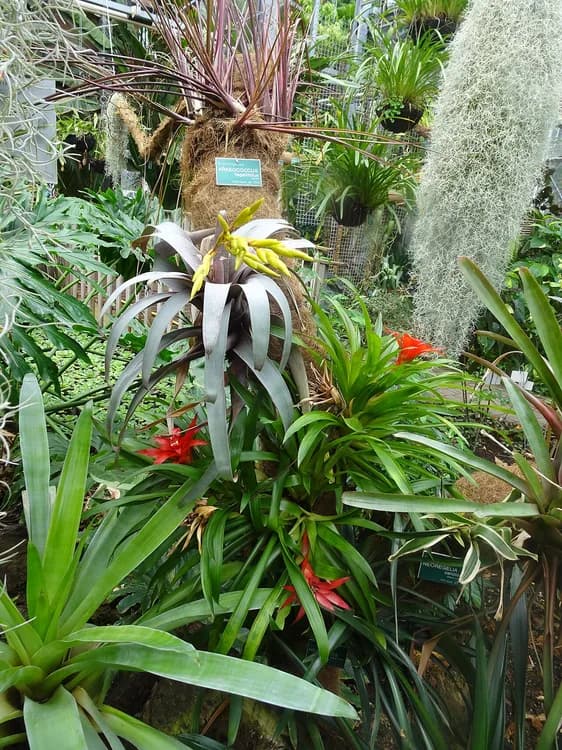
Aregelia
Neoregalia spp.
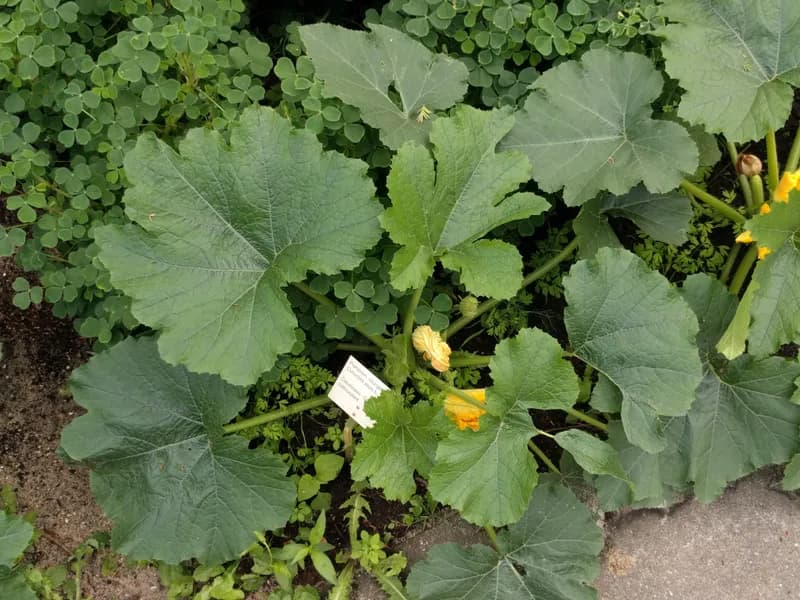
Acorn Squash
Cucurbita pepo
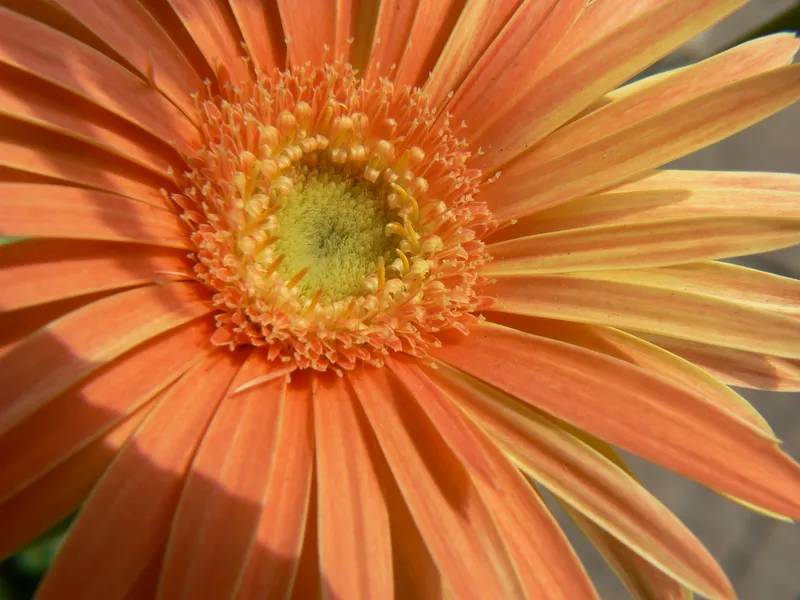
African Daisy
Gerbera jamesonii
African Violet
Saintpaulia spp.

Algaroba
Prosopis limensis
Last verified: July 2, 2026 · Cross-referenced with ASPCA Animal Poison Control