Is Belmore Sentry Palm Toxic to Dogs and Cats? (2026)
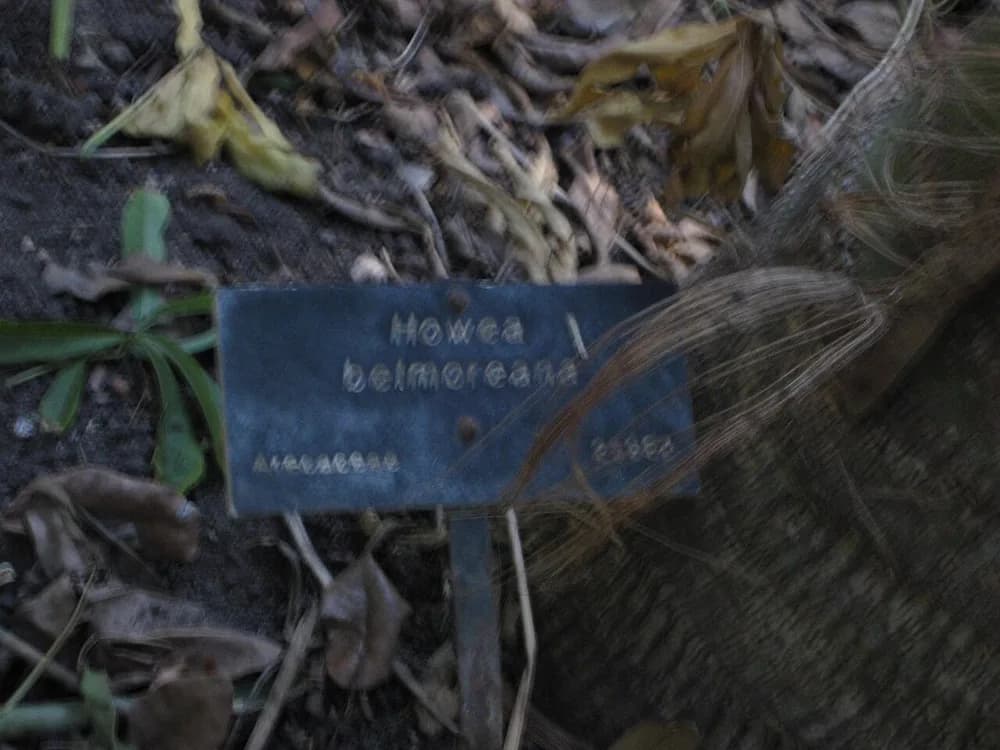
Howea belmoreana
Advertisement
Quick facts
| Toxic to dogs | No |
|---|---|
| Toxic to cats | No |
| Toxic to horses | No |
| Toxic component | N/A — non-toxic |
| Onset of symptoms | N/A |
| Indoor / outdoor | both |
Advertisement
What to do
No treatment is needed. Its slow growth rate means it stays a manageable houseplant size for years, so it's a reasonable long-term choice around pets.
Toxic component and mechanism
Belmore Sentry Palm is not known to contain toxic compounds harmful to dogs, cats, or horses.
What makes this plant different
Belmore Sentry Palm is confirmed non-toxic to dogs and cats by the ASPCA. It's a slow-growing true palm native to Lord Howe Island off the coast of Australia, in the same genus as the more widely sold Kentia Palm, and it's valued as a houseplant specifically because it tolerates lower indoor light than most palms.
Plant identification
- Scientific name
- Howea belmoreana
- Family
- Palmae
- Also known as
- Belmore Sentry Palm, Curly Palm
- Typically found
- both
Advertisement
Related plants
Areca Palm
Dypsis lutescens
Bamboo Palm
Chamaedorea elegans
Canary Date Palm
Phoenix canariensis
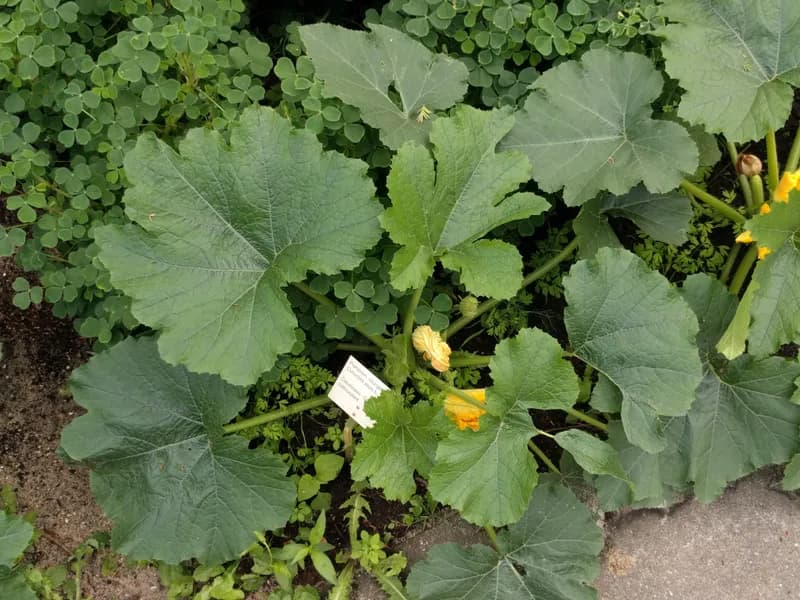
Acorn Squash
Cucurbita pepo
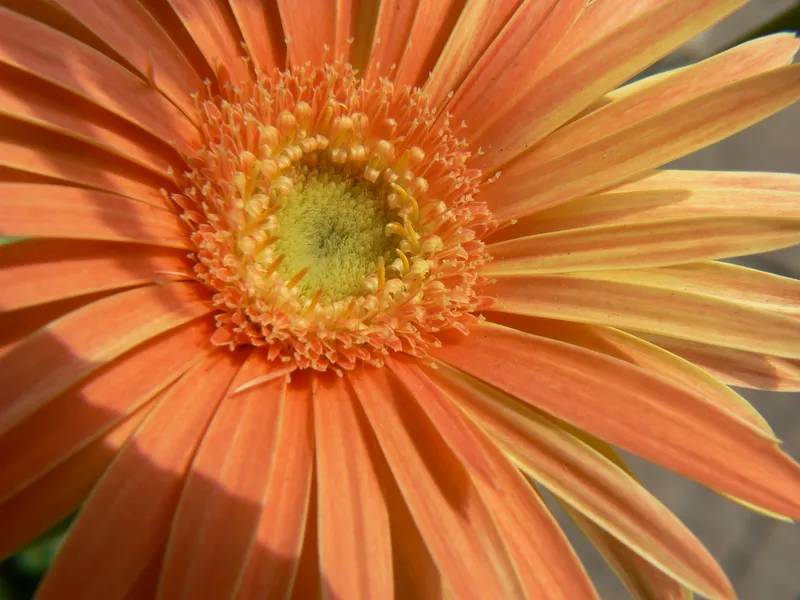
African Daisy
Gerbera jamesonii
Last verified: July 2, 2026 · Cross-referenced with ASPCA Animal Poison Control